
What Can Spokeo Tell You? A Complete Guide
Did you know that billions of public records are available online? That’s a staggering amount of information! If you’ve ever wondered, “What can Spokeo tell you?” you’re definitely not alone.
Whether you’re reconnecting with an old friend, verifying someone you met online, checking an unfamiliar phone number, or simply satisfying your curiosity, Spokeo has become one of the most popular people-search platforms available. But what information does it actually provide? More importantly, what doesn’t it tell you?
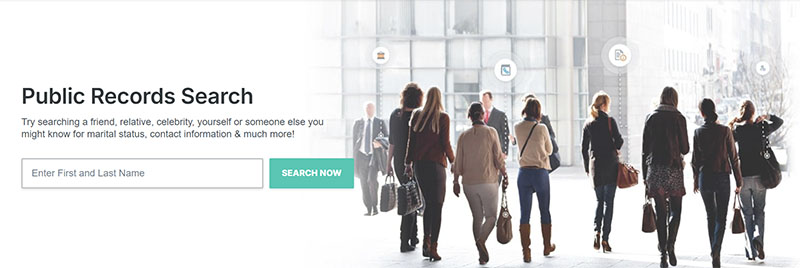
Search anybody by name, e-mail address, phone number, online username or even friends in your address book and instantly return lots of info.In this guide, I’ll break down exactly what you can expect from a Spokeo search, how the information is gathered, and when it’s worth using.
What Is Spokeo?
Overview
If you’ve ever wanted to learn more about someone, there’s a good chance you’ve heard of Spokeo. It’s one of the best-known people search websites in the United States. Millions of people use it every year to find public information about friends, relatives, neighbors, and even unknown callers.
So, what is Spokeo exactly?
In simple terms, Spokeo is a people search service that gathers information from many different public and commercial sources into one easy-to-read report. Instead of searching dozens of websites yourself, Spokeo does much of the work for you.
The service can help you look up someone by their name, phone number, email address, physical address, or even a username. Depending on the information available, a report may include contact details, address history, relatives, social media profiles, property records, and other publicly available information.
One thing I like about Spokeo is how simple it is to use. You don’t need any special skills. Just enter the information you have, and the site searches billions of records in just a few moments.
That said, it’s important to know what Spokeo is—and what it isn’t.
Spokeo is not a private investigation service. It doesn’t hack into private accounts or reveal secret information. Everything it collects comes from public records or other legally available data sources. The company combines that information into one searchable database, making it much easier to find than if you searched on your own.
Where Does Spokeo Get Its Information?
Many people wonder how Spokeo knows so much. The answer is actually pretty simple.
The company gathers information from a wide range of public and commercial databases. These sources are already available, but they’re spread across thousands of different places online and offline. Spokeo organizes that information into a single report that’s easier to understand.
Some of the sources may include:
- Public records
- Property records
- Court records where available
- Voter registration records
- Business records
- Telephone directories
- Marketing databases
- Public social media profiles
- Online directories
- Other publicly available online information
Because the information comes from so many different places, not every report will contain the same details. One person might have a very detailed profile, while another may have only a few pieces of information.
What Information Can Spokeo Tell You?
www.spokeo.comOne of the biggest reasons people use Spokeo is because it gathers information from many public sources and places it into one easy-to-read report.
Instead of searching dozens of websites yourself, you can often find useful details with a single search. That can save a lot of time!
Of course, every report is different. Some people have a large public footprint, while others leave very little information online. The amount of information you see depends on what’s available in public records and other data sources.
Let’s look at the types of information Spokeo may be able to find.
Basic Personal Information
Most Spokeo reports begin with basic details about the person you’re searching for.
If enough public information is available, you may see their full name, approximate age, and current city. Some reports also include previous names or aliases that appear in public records.
Basic information may include:
- Full name
- Possible aliases
- Approximate age
- Date of birth or birth year
- Current city and state
- Previous cities of residence
This information can help you confirm that you’ve found the correct person, especially if several people share the same name.
Contact Information
Spokeo can also help you locate contact details that are connected to public records.
Depending on the information available, a report may include current and previous phone numbers, email addresses, and other contact information.
You might find:
- Mobile phone numbers
- Landline phone numbers
- Current phone numbers
- Previous phone numbers
- Email addresses
- Other publicly available contact details
Not every contact detail will still be active. Older records sometimes remain in public databases even after someone changes their phone number or email address.
Family and Relatives
Another helpful feature is the ability to identify possible family members and other people connected to the individual.
These relationships are based on public records and shared addresses. They don’t necessarily reflect someone’s current personal relationships.
A report may list:
- Parents
- Siblings
- Children
- Spouses or former spouses
- Other possible relatives
- Current or previous household members
This information can be especially useful if you’re trying to verify that you’ve located the right person.
Address History
People move throughout their lives, and public records often reflect those changes.
Spokeo may provide a history of where someone has lived over the years. In some cases, you may also see how long they lived at a particular address.
Address history may include:
- Current address
- Previous addresses
- Cities and states
- Approximate length of residence
- Property ownership information
This feature can be helpful when you’re trying to reconnect with someone whose current address you don’t know.
Social Media Profiles
If a person’s social media accounts are publicly available, Spokeo may include links to those profiles.
Rather than searching multiple websites yourself, you may find several online profiles in one report.
Depending on what’s publicly available, you could see profiles from:
- X (formerly Twitter)
- Other public social networking sites
Keep in mind that private accounts usually won’t appear. If someone limits who can view their profile, Spokeo may not be able to find it.
Property Records
If someone owns real estate, Spokeo may also include information from public property records.
These records can provide useful details about homes and other real estate connected to an individual.
Depending on what’s available, a report may include:
- Property ownership
- Property address
- Purchase history
- Estimated property value
- Tax assessment information
Property records are often maintained by county or local government offices and are public in many parts of the United States.
Wealth and Lifestyle Indicators
Some Spokeo reports also include estimated lifestyle information.
These details are based on publicly available records and consumer marketing data. They are estimates, not guarantees, so they should be viewed as general insights rather than exact facts.
Examples may include:
- Estimated household income
- Home value range
- Neighborhood demographics
- Consumer interests
- Lifestyle indicators
These insights can provide additional context about a person, but they shouldn’t be used as the sole basis for making important decisions.
Can Spokeo Find Someone by Phone Number?
www.spokeo.comGetting a call from an unfamiliar number can be frustrating. Is it an old friend? A business? Or just another spam call?
Instead of guessing, you can use Spokeo’s reverse phone lookup feature to learn more about the number. Simply enter the phone number into the search box, and Spokeo will search its database for any publicly available information connected to it.
If the number appears in available records, you may be able to identify who owns it and discover other useful details.
Reverse Phone Lookup
One of Spokeo’s most popular tools is its reverse phone lookup feature. Rather than searching by a person’s name, you begin with a phone number.
If Spokeo finds a match, the report may include:
- The person’s name
- Current or previous addresses
- Email addresses
- Possible relatives
- Social media profiles
- Other publicly available information
This feature is useful for identifying unknown callers, verifying someone’s identity, or finding out who owns a particular phone number.
Many people also use reverse phone lookup before returning a missed call. It can provide extra peace of mind, especially if you don’t recognize the number.
What Reverse Phone Searches Can’t Do
While reverse phone lookup can be very helpful, it does have limits.
For example, not every phone number is included in public records. If someone recently changed their number or asked their carrier to keep it private, Spokeo may not find any information.
VoIP numbers can also be difficult to identify. These internet-based phone numbers aren’t always tied to traditional public records. The same goes for prepaid or “burner” phones, which are often used for short periods and leave very little public information behind.
Recently issued phone numbers may also produce few or no results. That’s because public databases take time to update after a new number is assigned.
It’s also important to remember that Spokeo cannot track someone’s live location or tell you where a phone is right now. It only searches information that is already available through public records and other legal data sources.
If you’re trying to identify a suspicious caller, reverse phone lookup can be a great place to start. Just remember that the results aren’t always complete. When accuracy is important, it’s a good idea to verify the information through other trusted sources.
Can Spokeo Find Someone by Email Address?
www.spokeo.comSometimes all you have is an email address.
Maybe you received an email from someone you don’t recognize. Maybe you’re trying to reconnect with an old friend. Or perhaps you want to learn a little more about someone before replying.
That’s where Spokeo’s reverse email lookup can help.
Instead of searching by a person’s name or phone number, you start with an email address. If Spokeo finds a match, it may uncover publicly available information connected to that email account.
Keep in mind that not every email address will produce results. The amount of information depends on whether the address appears in public records or other available databases.
Reverse Email Lookup
A reverse email lookup works much like a reverse phone search.
You enter an email address, and Spokeo searches its database for information linked to it. If a match is found, the report may include details that help you identify the owner.
Depending on the available records, you may find:
- The person’s name
- Current or previous addresses
- Phone numbers
- Possible relatives
- Public social media profiles
- Other publicly available contact information
This feature can be useful when you’re trying to identify who sent an email or verify that an email address belongs to the person you expect.
It’s also a helpful tool for reconnecting with people when an old email address is the only information you still have.
When Email Searches Work Best
Reverse email searches tend to work best when the email address has been used publicly over a long period of time.
For example, older email accounts often appear in more public records and online directories. Business email addresses may also produce better results because they’re frequently listed on company websites and professional profiles.
You may have the best luck with:
- Older email addresses
- Frequently used personal email accounts
- Public-facing business email addresses
- Email addresses connected to social media profiles
- Addresses that appear in online directories or public records
Newly created email accounts, however, may return very little information. The same is true for private email addresses that have never been shared publicly.
It’s also worth remembering that Spokeo only searches legally available information. It cannot access private email messages, attachments, passwords, or the contents of someone’s inbox.
If you’re trying to verify an unfamiliar email, reverse email lookup can be a useful starting point. Just don’t assume every report is complete. Public records change over time, and some people leave very little information online.
Can Spokeo Reveal Criminal Records?
www.spokeo.comMany people use people search websites because they want to learn more about someone before meeting them or doing business together.
One of the first questions they ask is, “Can Spokeo show criminal records?”
The short answer is yes—but there are some important limits.
Spokeo may include certain publicly available criminal information in its reports when that information is available through public records. However, not every report will contain criminal records, and not every criminal record will appear in a Spokeo search.
The amount of information depends on where the records were created, local laws, and how often public databases are updated.
Criminal Information Available
If criminal records are publicly available, Spokeo may include them in a person’s report.
Depending on the jurisdiction, you might find information such as:
- Certain criminal convictions
- Arrest records that are publicly available
- Court records
- Case numbers
- Offense descriptions
- Filing dates
- Court locations
Keep in mind that the information available varies from one state to another. Some states make more records public than others, while some restrict access to certain types of cases.
Even when records are available, they may not tell the whole story. For example, a report might not include whether charges were later dismissed or reduced.
Because of this, it’s always a good idea to verify important information directly with the appropriate court or government agency before drawing any conclusions.
Limitations of Criminal Searches
Criminal record searches have several limitations, and it’s important to understand them.
First, not every arrest or conviction appears in public databases. Some records are sealed, restricted, or simply unavailable to the public.
Second, records that have been expunged or sealed often won’t appear in a Spokeo report. Laws vary by state, so the treatment of these records can differ depending on where the case occurred.
Another limitation is timing.
Public records aren’t always updated right away. Recent arrests, court decisions, or case dismissals may take weeks or even months to appear in public databases.
Finally, Spokeo is not a consumer reporting agency under the Fair Credit Reporting Act (FCRA). That means its reports cannot legally be used to make decisions about hiring employees, screening tenants, approving credit, or determining insurance eligibility.
If you need criminal history information for one of those purposes, you’ll need to use an FCRA-compliant background check provider instead.
For official criminal history information, you should always consult the appropriate court, law enforcement agency, or state records office whenever possible.
Can Spokeo Find Social Media Accounts?
www.spokeo.comSocial media has become part of everyday life. Most people have at least one online profile, whether it’s for staying in touch with friends, networking for work, or sharing hobbies.
So, can Spokeo help you find those profiles?
In many cases, yes.
Spokeo searches publicly available information to locate social media accounts that may be connected to a person’s name, email address, phone number, or other identifying details. If it finds a match, those profiles may appear in the person’s report.
However, not every account will show up. It all depends on what information is publicly available.
Connected Online Profiles
One of the benefits of using Spokeo is that it can bring together information from multiple public sources into one report.
If a person’s social media accounts are publicly linked to their identity, Spokeo may help you discover them without having to search every platform yourself.
Depending on the available data, you may find profiles from:
- X (formerly Twitter)
- Other publicly available social networking sites
Finding these profiles can help you verify that you’ve located the right person. You may also learn more about someone’s professional background, interests, or public online presence.
Remember, Spokeo only shows information that is already publicly available. It does not give you access to private posts, private photos, direct messages, or content hidden by privacy settings.
Why Some Accounts Don’t Appear
It’s common for some social media accounts to be missing from a Spokeo report.
There are several reasons this can happen.
First, many people choose strict privacy settings that prevent search engines and public databases from indexing their profiles.
Second, newer accounts may not have been connected to public records yet. It can take time for publicly available information to appear in search databases.
Deleted or deactivated accounts also won’t appear if they are no longer publicly accessible.
Another reason is that some people use usernames that aren’t connected to their real names, phone numbers, or email addresses. If there isn’t a clear public link, Spokeo may not be able to match the profile to the correct person.
It’s important to remember that the absence of a social media profile doesn’t mean someone doesn’t use social media. It simply means there wasn’t enough publicly available information to connect that account to the search.
Common Reasons People Use Spokeo
www.spokeo.comPeople use Spokeo for all kinds of reasons. Some are simply curious. Others are trying to reconnect with someone they haven’t seen in years. Many just want to verify that the person they’re talking to is who they claim to be.
Since Spokeo gathers publicly available information into one report, it can save you a lot of time. Instead of searching multiple websites, you can often find useful details in one place.
Here are some of the most common ways people use Spokeo.
Reconnecting With Someone
Life gets busy.
Friends move away, coworkers change jobs, and classmates lose touch over the years. Sometimes all you remember is a name, an old phone number, or the city where someone used to live.
Spokeo can help you reconnect by searching billions of public records and other available data sources. If enough information is available, you may be able to find a person’s current contact information or address history.
People often use Spokeo to reconnect with:
- Old friends
- Family members
- Former classmates
- Previous coworkers
- Military friends
- Long-lost neighbors
While there’s no guarantee you’ll find the person you’re looking for, Spokeo can provide a helpful starting point.
Verifying Someone You Met Online
Meeting people online is more common than ever.
Whether you’re using a dating app, buying something through an online marketplace, or connecting through social media, it’s natural to want a little extra peace of mind.
Many people use Spokeo to verify basic details before meeting someone in person. For example, they may want to confirm a name, check whether an address matches public records, or see if a phone number has been linked to that individual.
Some common situations include:
- Online dating
- Facebook Marketplace transactions
- Craigslist purchases
- Roommate searches
- Rental inquiries
- Business networking
Keep in mind that Spokeo should only be used to review publicly available information. It should never replace good judgment or common safety precautions when meeting someone new.
Identifying Unknown Callers
Unknown phone calls happen every day.
Sometimes it’s a legitimate business. Other times, it could be a robocall or spam.
Instead of answering every unfamiliar number, many people use Spokeo’s reverse phone lookup to see whether the number is connected to publicly available information.
This can help you:
- Identify unknown callers
- Recognize potential spam calls
- Verify business phone numbers
- Find out who left a missed call
- Decide whether it’s worth calling back
While reverse phone lookup can be very useful, remember that not every phone number appears in public databases. Some numbers remain private, and recently assigned numbers may not have much information available yet.
If you’re concerned about unwanted calls or phone scams, the Federal Communications Commission provides helpful guidance on blocking robocalls and protecting yourself from fraudulent callers:
At the end of the day, Spokeo is best viewed as a research tool. It can help you gather publicly available information quickly, but it’s always wise to verify important details through official or trusted sources before making any significant decisions.
Conclusion
So, what can Spokeo tell you? Quite a bit, actually. From phone numbers and addresses to relatives, property records, social media profiles, and public records, it offers a surprisingly comprehensive snapshot of someone’s publicly available information.
That said, no people-search service is perfect. Information can occasionally be outdated or incomplete, so it’s always a good idea to verify important details through official sources when accuracy matters most.
If you’re simply trying to reconnect with someone, verify an online acquaintance, or identify an unknown caller, Spokeo can be a useful starting point—provided you understand both its strengths and its limitations.