Are Background Checks Required to Buy a Gun?
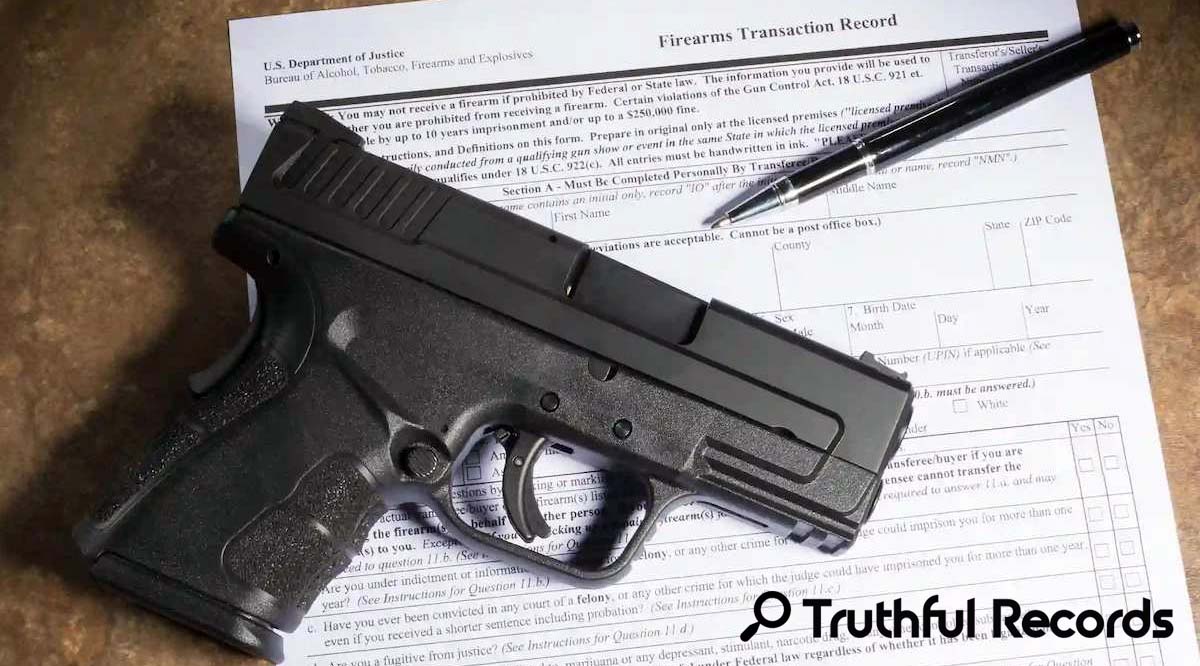
Do you need a background check to buy a gun? In 2025, this question matters more than ever.
There are over 400 million guns in the hands of everyday people in the U.S. That’s a lot! So, it’s super important to know the rules before you try to buy one.
Maybe this is your first time thinking about getting a gun. Maybe you just want to understand the laws better. Either way, learning how background checks work can keep you safe—and out of trouble.
In this guide, I’ll explain everything in simple terms. You’ll learn who needs a background check, when it’s required, and where there are still some gaps in the system.
What Is a Background Check for Gun Purchases?
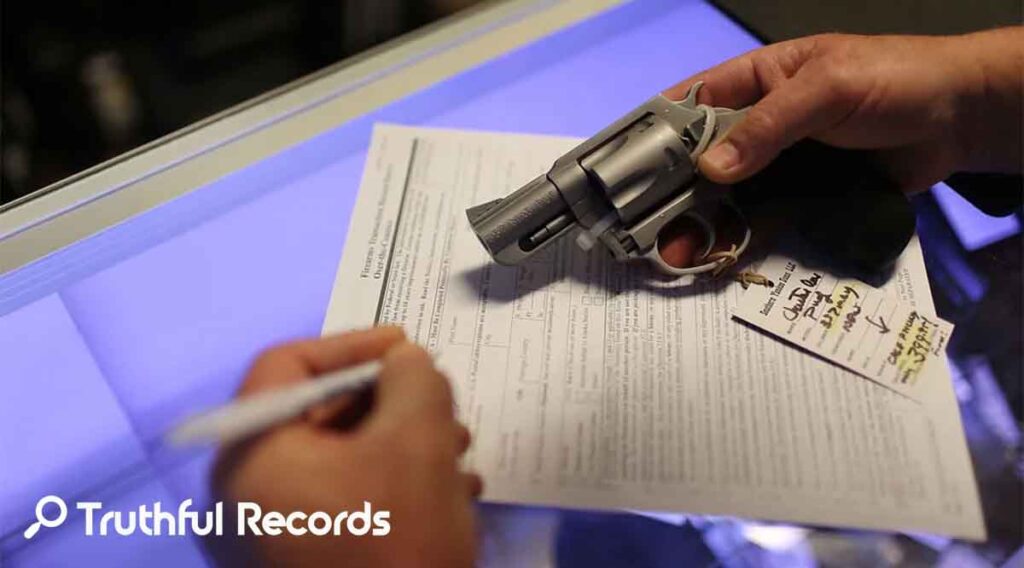
If you’ve ever thought about buying a gun, you’ve probably heard about background checks. But what are they really? And how do they work? Let’s break it down in a way that actually makes sense—no legal talk or government jargon here!
How It Works
So, before you can walk out of a gun store with a shiny new firearm, you have to go through a background check. This is basically a quick review of your history to make sure you’re legally allowed to own a gun.
In the U.S., this check is usually done through a system called NICS—which stands for the National Instant Criminal Background Check System. Fancy name, huh? But don’t let it scare you. It’s basically a giant database run by the FBI. In some states, though, local law enforcement handles it instead.
Once the check starts, the system looks through a bunch of records. It scans things like:
- Any criminal charges or convictions
- Mental health hospitalizations
- Drug or alcohol abuse reports
- Immigration or citizenship status
And yes, it all happens pretty fast—sometimes in just a few minutes!
What It Looks For
Now here’s the real question—what can stop someone from getting a gun?
Well, a few things can. The background check looks for what they call disqualifying factors. These are things that legally block you from buying or owning a firearm. Some of the most common ones include:
- Felonies – If you’ve been convicted of a serious crime, that’s usually a no-go.
- Domestic violence – Even a single charge or conviction can be enough to deny you.
- Restraining orders – If there’s one out against you, you’re not likely to pass the check.
And it’s not just about crime.
The system also checks if you’ve been:
- Involuntarily placed in a mental health facility
- Struggling with substance abuse problems
- Dishonorably discharged from the military
- In the country illegally or without proper paperwork
These rules exist to keep guns out of the hands of people who might be a danger to themselves or others. It’s not perfect—but it’s the system we have right now.
Federal Laws on Gun Background Checks
When it comes to buying a gun in the U.S., federal law is the foundation. These are the rules that apply no matter where you live. States can add more rules if they want (and many do!), but federal law sets the baseline.
What the Law Requires
Here’s the deal—if you’re buying a gun from a licensed dealer, a background check is 100% required. No ifs, ands, or buts.
That means walking into a gun shop, big chain store, or even ordering online through a Federal Firearms License (FFL) holder? Yep, you’ll need to fill out some paperwork and pass a check.
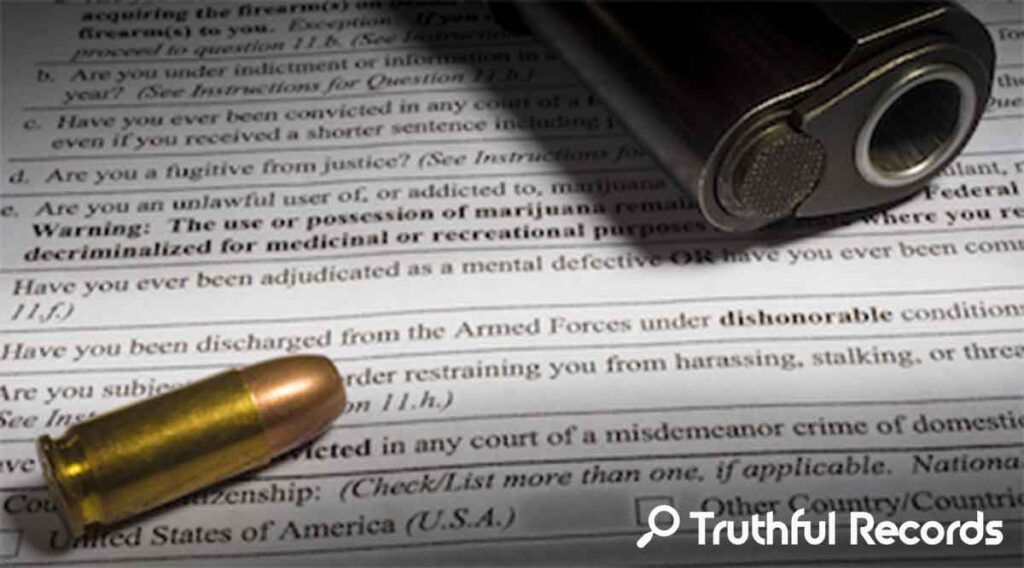
One of the key forms is Form 4473. It’s kind of like a questionnaire. You’ll be asked things like:
- Are you a U.S. citizen?
- Have you been convicted of a felony?
- Have you ever been in a mental institution?
- Do you use illegal drugs?
Once you fill it out, the dealer sends your info through the NICS system we talked about earlier. Most people get a response in just a few minutes.
But heads up—filling out false info on that form is a federal crime. So yeah, be honest.
Types of Firearms Covered
This is where it gets a little tricky. All guns sold by licensed dealers—whether handguns, rifles, or shotguns—require a background check. Period.
But the rules can shift depending on the type of firearm and who you’re buying it from. Here’s a quick breakdown:
- Handguns: Almost always require a check, even in private sales (in many states).
- Long guns (like rifles and shotguns): Some states are more relaxed, especially with private sales.
Private sales, which we’ll get into in the next section, are where things get a little messy.
Still with me? Good! Because now we’re going to dive into how things change depending on where you live…
State-by-State Differences
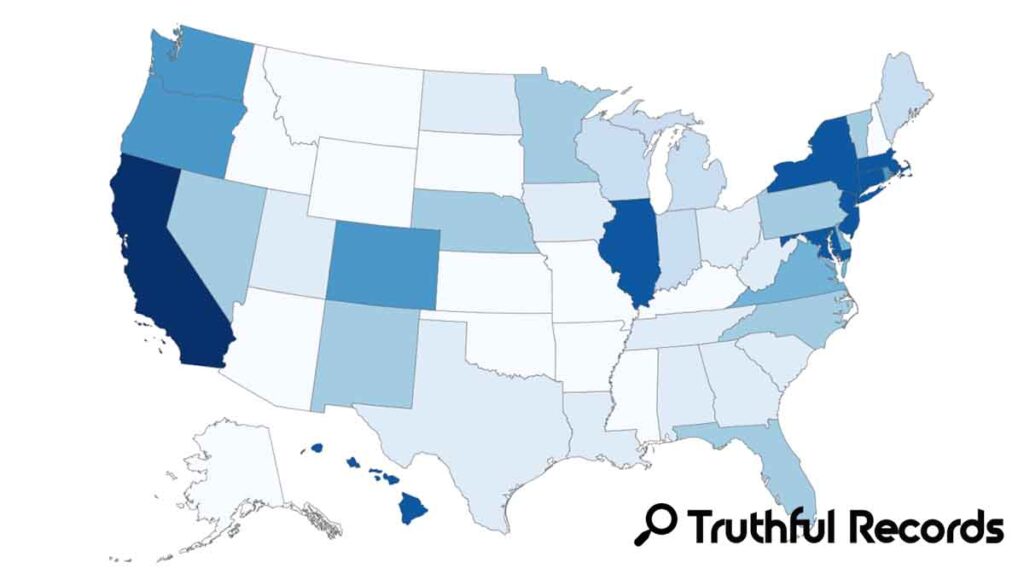
Here’s where things get wild—because while federal laws apply everywhere, each state has its own rules too. Some are super strict, others are way more relaxed. So depending on where you live, buying a gun might feel like a quick errand… or a full-on process.
States With Stricter Laws
Some states don’t mess around when it comes to background checks. In fact, they’ve gone beyond federal law to close up loopholes and add extra steps for safety.
Here are a few states that take things seriously:
- California
- New York
- Illinois
- New Jersey
- Connecticut
These states often require:
- Background checks for all gun sales—even private ones
- Waiting periods before you can take the gun home
- Permits or licenses before you can even buy a firearm
In places like New York and California, you might need a separate permit for handguns, plus extra training or interviews. It’s a whole thing—but they say it helps keep people safe.
States With Looser Regulations
On the flip side, some states are much more relaxed.
Places like:
- Texas
- Arizona
- Alaska
- Montana
- Mississippi
In many of these states, you don’t need a background check at all when buying from a private seller. Yep—you can meet someone at a gun show or set up a deal online, hand over the cash, and walk away with the gun. No paperwork. No questions.
This is what people mean when they talk about the “gun show loophole.” It’s legal in some states, but controversial because it skips the system entirely.
So depending on your zip code, the experience of buying a gun can feel totally different. That’s why it’s so important to know your state’s rules before you buy.
➡️ Want to check your state’s laws? Head over to Giffords Law Center for a full breakdown by state.
Are There Any Exceptions or Loopholes?
You might be thinking, “Wait—aren’t background checks required for every gun sale?” Not exactly. This is where things get a little fuzzy… and kind of frustrating.
Yes, federal law covers gun sales from licensed dealers. But there are still ways people can buy guns without going through a background check—and it’s totally legal in some places.
Let’s talk about the biggest loopholes.
Private Sales and Gun Shows
Here’s the deal: If you’re buying a gun from a private individual—like a friend, neighbor, or someone you met online—you might not need a background check. This depends on your state, of course.
In many states, private sellers don’t have to ask for ID, fill out any paperwork, or run a check. It’s basically a handshake deal. This is often called the “private sale loophole.”
Now take that and move it to a public setting—a gun show. Picture hundreds of tables, people buying and selling firearms, and only some of the sellers being licensed. If you buy from a licensed dealer at the show, you get a background check. If you buy from an unlicensed private seller? Not always.
And yep, that’s totally legal in a bunch of states.
This is why people say there’s a “gun show loophole.” It’s really just a private sale happening in a public place.
Online Gun Sales
Here’s a tricky one. You can shop for guns online just like you do for clothes or electronics. But you can’t have a gun shipped directly to your house (unless you’re a licensed dealer).
Here’s how it usually works:
- You find the gun online.
- You buy it.
- It gets shipped to a local FFL dealer near you.
- You go to the dealer’s store, fill out Form 4473, and go through the background check before picking it up.
But again, if it’s a private seller posting online (think forums or local Facebook-type groups), some people arrange meetups in person—just like with gun shows. Depending on the state, that sale might not require a background check at all.
So while the laws cover a lot, there are still gaps. And those gaps? They’re where some of the biggest debates around gun safety and reform live.
Common Questions About Gun Background Checks
There’s a lot of confusion when it comes to background checks, so let’s clear things up. These are some of the questions people ask all the time—and the answers might surprise you!
How Long Does a Background Check Take?
Most of the time, it’s really fast—like, just a few minutes. You fill out the form, the dealer submits your info, and boom—you’re approved or denied almost right away.
But sometimes, things take longer. If the system flags something that needs a closer look, it can take up to three business days.
If there’s no final answer after three days? In some states, the sale can legally move forward. Yep—you might still get the gun even if the background check isn’t finished. This is known as the “Charleston loophole.”
What If You Fail a Background Check?
First off—don’t panic. If your background check gets denied, you won’t be arrested or anything (unless you lied on your form, which is a big no-no).
Reasons for denial include:
- A past felony
- Domestic violence charges
- Active restraining orders
- Drug use or mental health issues
If you think the denial was a mistake, you can appeal it through the FBI. Sometimes it’s just a paperwork error or something outdated in your record.
But if the denial is valid, then yeah—you’re legally blocked from owning a gun. Trying to get one anyway? That’s a crime, and it’s not worth the risk.
Are Background Checks Required for Ammo?
Great question—it depends on where you live.
In most states, you can walk into a store and buy ammo without any extra steps. But a few states have added laws that require checks for bullets, too. For example:
- California requires a background check for every ammo purchase.
- New York has started rolling out similar rules.
The idea here is simple: If someone can’t legally buy a gun, they probably shouldn’t be able to load one either.
More states are considering this kind of law, so it’s good to keep an eye on updates.
Final Thoughts: Are Background Checks Required to Buy a Gun?
Alright, let’s answer the big question one more time: Are background checks required to buy a gun?
Yes—but not always.
If you’re buying from a licensed dealer, a background check is required every time. That’s the law. You’ll fill out a form, the dealer will run the check through the FBI or your state agency, and you’ll get a quick yes or no.
But if you’re buying through a private sale, at a gun show, or even online from someone who’s not a licensed dealer, the rules change. Some states require checks in these cases—others don’t.
So, whether you’re a new buyer or just brushing up on the law, here’s what you need to remember:
✅ Know your state laws. They can be very different from federal rules.
✅ Don’t assume anything. Just because your friend didn’t need a background check doesn’t mean you won’t.
✅ Stay legal. It’s better to be safe than face fines, jail time, or worse.
The truth is, gun laws can feel confusing. But once you break them down, they’re not so hard to follow. If you ever feel unsure, just check with your local law enforcement or visit reliable legal sites like Giffords or NRA-ILA.
Now you’ve got the info—go out there and be a smart, responsible gun owner!