Can Background Checks See Tax Returns?
Have you ever wondered if background checks can see your tax returns? You’re not alone! A lot of people think that their tax records are automatically shown during a background check. But the truth is a bit different.
Whether you’re applying for a job, renting a home, or just checking your own background, it’s important to know what information is shared. Let’s dive in and clear up the confusion about background checks and your tax returns!
What Information Do Background Checks Typically Reveal?

When you’re going through a background check, what gets pulled up? Let’s break it down! You might be surprised by what’s actually checked.
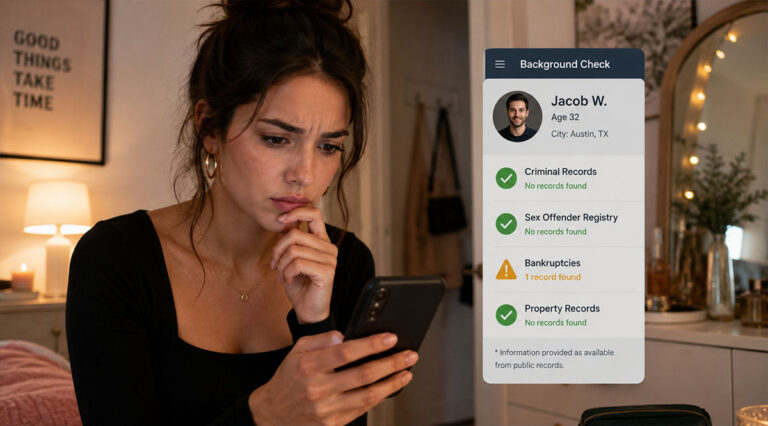
Background checks usually pull up a mix of things. They can include basic info like your name, address, and birthday. Simple stuff, right? But they also go deeper! They check your criminal record (if you have one), your work history, and even your educational background.
Background checks are used in lots of situations – like when you’re applying for a job, renting a place, or even getting a loan. These checks help employers, landlords, or other parties see who you are and what you’ve done in the past.
But, here’s the thing: Not everything is fair game. There are rules about what can and can’t be checked. So, while some things are fair game, like your criminal record or work history, other things are protected by privacy laws.
Some background checks are more in-depth than others. For example, when you’re applying for a high-level job, they may check everything – including your credit report or professional licenses.
Are Tax Returns Part of a Background Check?
So, can background checks actually see your tax returns? The short answer is: Usually, no!
Tax returns are pretty private. They’re not automatically pulled up during a typical background check. But, there are some situations where they might be requested. For example, if you’re applying for a job in finance or trying to rent a place, they might want to know more about your income. In that case, they might ask you to provide tax information directly.
But just because someone does a background check doesn’t mean they automatically get access to your taxes. Background checks focus more on things like criminal history, employment records, and sometimes credit scores.
However, it’s important to note that there are exceptions! If you’re going through a financial background check, like for a loan or some big purchase, they may dig a little deeper into your financial history, which could include your taxes. This is something you’ll likely have to agree to.
How Do Background Check Companies Obtain Financial Data?

Now, you might be wondering: How do these background check companies even get their hands on your financial info? Well, it’s a bit more complicated than just running a quick search.
Most background check companies rely on credit reports to gather financial data. A credit report is basically a detailed snapshot of your financial history, showing how well you’ve managed debt, how much you owe, and if you’ve ever had trouble paying things on time.
When an employer or landlord runs a background check, they can request a credit report as part of the process. But here’s the thing: They need your permission to do it. You usually have to sign a form giving them the green light to pull your credit.
But this doesn’t automatically mean your tax returns are on there. A credit report focuses more on your debt, credit cards, loans, and anything that affects your financial health. It doesn’t dive into specifics like how much you earn or the exact amount you pay in taxes each year.
In some cases, though, if you’re applying for a job where you need to prove your income, you may have to provide your tax returns or pay stubs. This is especially common in jobs that involve managing money or sensitive financial information.
Can You Prevent Background Checks from Accessing Your Financial Info?

You might be thinking, “Can I stop a background check from seeing my financial details?” Well, good news – yes, you can take steps to protect your financial information!
First things first, it’s important to understand that background checks can’t just look at your financial data without your permission. If someone wants to check your credit report, they need you to sign off on it. You can always choose not to give that permission, and in some cases, you can even request that they exclude certain financial details from the check.
If you’re concerned about your tax returns being seen, you have control over that too. Employers or landlords can’t just access your tax information unless you provide it. So, if you’re not applying for a financial position or offering income verification, they typically won’t ask for it.
If you’re worried about your credit report being pulled, you can also freeze your credit. This means companies can’t access your credit history without your approval, which can help keep your financial details safe.
Another way to protect your privacy is by asking for a copy of your background check. You’re allowed to request one, and it can help you understand exactly what information is being shared. This way, you’re never caught off guard by what’s being seen or shared with potential employers or landlords.
Conclusion
So, can background checks see your tax returns? In most cases, the answer is no! Your tax returns are private and typically not part of a standard background check. However, there are exceptions. If you’re applying for a job that requires financial details or a big loan, you might have to provide that information yourself.
It’s important to know that while background checks can pull up your criminal history, employment records, and sometimes your credit report, they can’t dig into your tax returns without your permission. Understanding the types of checks being done and what’s being asked of you is key to protecting your privacy.
If you’re ever unsure, you can take control of the situation by asking for a copy of your background check or even freezing your credit to keep your financial data safe. Remember, it’s always a good idea to know what’s being checked and to give consent only when you’re comfortable!