Can Background Checks Be Done on Minors?

When we think of background checks, we usually think about adults. But what about minors? Can background checks be done on them?
Whether you’re a landlord, employer, or just a concerned parent, it’s important to know the rules around checking the backgrounds of minors. In this article, we’ll break down everything you need to know about minor background checks—what’s allowed, what’s not, and why it’s important. Let’s dive in!
What is a Background Check?
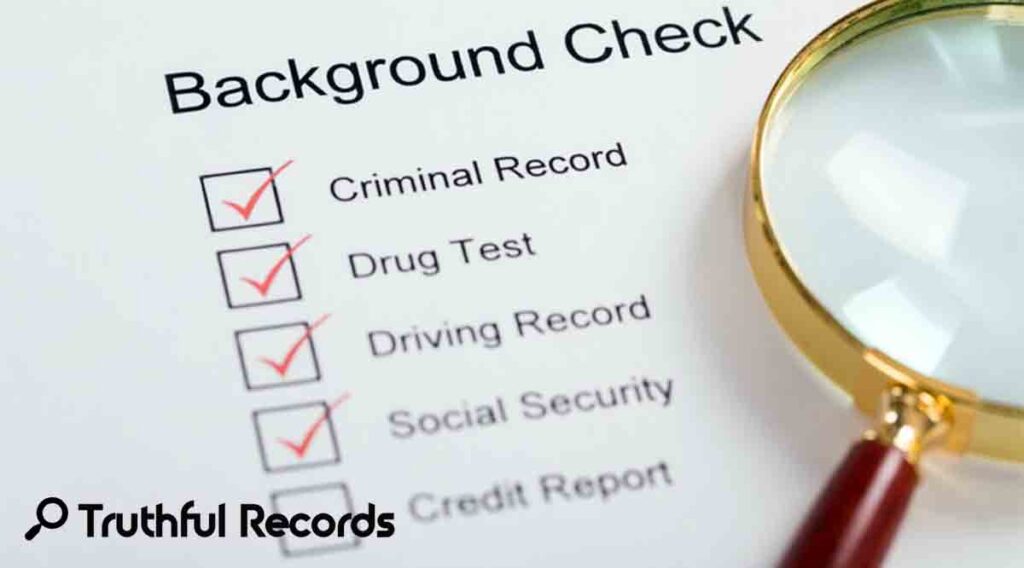
A background check is pretty much a way to look into someone’s history. It’s like a way to make sure you’re not missing anything important before making a decision. People get background checks for all sorts of reasons—maybe they’re looking to rent an apartment, hire someone for a job, or just want to know more about a person.
So, what exactly does a background check include? Well, it can look at a few things like criminal records, employment history, and even how a person handles their money. These checks help to spot any red flags, and that can make decisions easier.
But here’s the thing—background checks aren’t always the same for everyone! For adults, a lot of details are checked. But when it comes to minors, the rules change. That’s right—some things are off-limits, and other things are handled differently. It’s all about keeping the balance between knowing enough and respecting someone’s privacy.
In the next sections, we’ll break down how these checks work and what’s allowed. Stick around—this info might just surprise you!
Legal Considerations for Background Checks on Minors

So, you’re wondering—can background checks be done on minors? Well, it’s not as simple as just clicking a button. There are rules, and those rules vary depending on where you live. Some places have strict laws about what can and can’t be checked.
In general, you can’t run a full background check on a minor like you would with an adult. For one, minors have certain protections when it comes to their personal info. But that doesn’t mean you’re totally out of luck! In some situations, like for school admissions or legal reasons, certain details about a minor’s past may be looked at.
But, there’s a big catch—parental consent is almost always required. If you’re a parent or guardian, you may have to give the okay before any background checks can happen. This helps keep minors’ privacy safe while also making sure the information being shared is used for the right reasons.
Laws can differ based on where you are, so it’s always a good idea to double-check what applies to your situation. Don’t want to run into any legal issues, right?
What Information Can Be Checked for Minors?

When it comes to minors, the information that can be checked is a bit more limited compared to adults. But that doesn’t mean there’s nothing that can be looked into! Depending on the situation, there are certain things that can be accessed and checked.
For starters, one of the most common things checked is a minor’s juvenile record. This is basically their criminal history (if they have one). However, don’t expect it to be as open as it is for adults. Laws often keep juvenile records private, meaning they can’t be shared unless certain conditions are met.
School records are another thing that may be checked. This includes things like grades, attendance, and behavior. These records can sometimes be used for things like college applications or for determining if a minor is eligible for certain programs.
However, you can’t check just anything. For example, credit reports or financial history are usually off-limits for minors unless they’re in some specific situations, like if they’re legally responsible for their own finances.
The bottom line? When it comes to background checks for minors, there are limits to what can be seen, and it’s important to know what’s fair game and what isn’t!
Common Situations for Conducting Background Checks on Minors

You might be wondering, “When would someone actually need to run a background check on a minor?” Well, there are a few common situations where background checks on minors could happen. It’s not as unusual as you might think!
One of the most common reasons is for school admissions. Some schools may check a minor’s history to see if they’ve been involved in any legal issues or if they have any past behavioral problems. This helps ensure a safe environment for all students.
Another reason? Youth sports! Whether it’s a local soccer league or a big basketball tournament, background checks are often required for minors to make sure they’re participating in a safe, fair environment. Coaches or team managers might need to verify that the minor doesn’t have any red flags in their history that could be a concern.
And, of course, minors who are applying for jobs (like those working part-time after school) may undergo background checks too. Employers often want to know that the minor is responsible and trustworthy, even if the check won’t be as detailed as an adult’s.
There are also situations where a background check might be needed if a minor is involved in a legal matter. Whether they’re a witness or a defendant, certain records might need to be reviewed.
Bottom line? While background checks for minors aren’t as common as they are for adults, they do happen in some specific situations. And in each case, there are rules in place to protect the minor’s privacy.
Are There Any Alternatives to Background Checks for Minors?

So, what if you can’t do a full background check on a minor? Does that mean you’re totally out of options? Not at all! There are plenty of alternatives that can still help you get a sense of who the minor is without diving into their personal history.
One common alternative is a reference check. For example, if a minor is applying for a job or getting involved in a volunteer program, their references—like teachers, coaches, or family friends—can provide valuable insight. These people can speak to the minor’s character, work ethic, and behavior. It’s not as formal as a background check, but it can still give you useful information.
Another option? Personal interviews. While it might sound simple, sometimes just sitting down and talking to the minor (and their parents, if needed) can give you a good idea of what they’re like. A face-to-face chat can help you get a feel for their maturity, responsibility, and attitude.
For some situations, parental oversight is another great alternative. Parents are usually the best source of information when it comes to their child. If you’re a landlord, employer, or coach, talking directly to the parents might help you understand the minor’s behavior and reliability, especially in cases where a full background check isn’t possible.
Lastly, some people opt for social media checks. While it’s not the most official route, looking at a minor’s social media can give you an idea of their interests, behaviors, and social circle. Just remember—social media isn’t always an accurate reflection of someone’s character, especially for minors still figuring things out.
So, if you can’t run a formal background check on a minor, these alternatives can still help you make an informed decision!
Conclusion
So, can background checks be done on minors? The answer is yes, but with limits! While you can check certain things like school records or juvenile criminal history, there are plenty of protections in place to keep minors’ privacy safe.
It’s important to remember that not all background checks are created equal. For minors, there are laws that restrict what can be checked, and in many cases, you’ll need parental consent to proceed. But in situations like school admissions, youth sports, or jobs, it’s possible to do some checking—just not as extensively as you would with an adult.
And don’t forget, there are alternatives to background checks! Reference checks, personal interviews, and parental input can still give you a good sense of who the minor is. If a full background check isn’t an option, these methods can still help you make an informed decision.
At the end of the day, background checks on minors can be helpful, but they need to be handled carefully and legally. Always make sure you’re following the right rules, and if you’re ever in doubt, don’t hesitate to ask for advice.